A visit to the Champagne region is a rite of passage for many oenophiles. The glamour and prestige associated with the world’s most popular sparkling wine is ardently perpetuated by the so-called “Great Houses”. Steeped in history and not a small amount of pretentiousness, the great houses put on a good show, though there is a lot more to Champagne than glitz and overpriced bubbly. Keep an open mind, and an open mouth.
I would definitely recommend a visit to at least one of the Great Houses. We stayed in both Reims and Epernay, and each are home to a range of bigger producers. In Epernay, the Avenue de Champagne is a walk through the Disneyland for wine-lovers. Moët & Chandon, Pierre Jouët, Pol Roger, to name but a few. We decided to visit Moët & Chandon as it is the largest house and the exterior itself is quite impressive. The tour takes about an hour and includes a walk through the cellars before finishing with a tasting. Pricing starts from 25€ dependant on the cuvees you would like to taste. The well-trained tour guides tend to gloss over the winemaking and emphasise the history of the house, along with all the famous guests whom have visited over the years. A little conceited maybe, but hey, it’s Moët & Chandon! The cellars were the real drawcard for me. They say the Avenue de Champagne is the most expensive street in the world, though not for what sits at street level – although this is remarkable enough – it is the millions of bottles of champagne aging in the warren of tunnels under the street that really holds the wealth. The cellars of Moët & Chandon alone comprise a network of 28km of tunnels dug out of the chalk, lined with thousands of bottles of champagne. While we weren’t inclined to visit another of the Great Houses, we hear that Mercier is incredible and features a train that takes you through the cellars!

If you’re in Champagne, you likely want to taste as many different examples as you can get your mouth around. The best way to do this is a degustation (or five). Many wine shops and restaurants will offer a degustation where you can line up a number of Champagnes side by side to compare the different styles
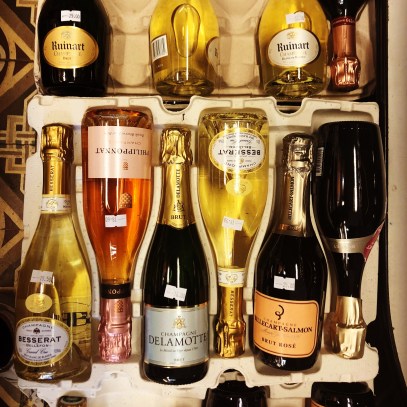
C.Comm in Epernay, is a wine bar run by a group of growers – that is, small, family-owned Champagne producers who own, grow and make their own wines. Here you will find a massive collection of small grower Champagnes with a large, varying list available for tasting. We chose a line up based on the predominant grape varietal, a Chardonnay, a Pinot Noir and a Pinot Meunier. Downstairs, in the cave, you can purchase the bottles you just tried, along with anything else from the 37 different producers. With price tags around 11-14€ a bottle, this is a great place to stock up without needing to forgo the next steak tartare or foie gras. They also have a good selection of half bottles, which for us was perfect. We started many evenings over the next few weeks with a little bottle of pre-dinner bubbles.

In the beautiful old town of Hautvillers you will find the wine boutique and restaurant Au 36. Here the champagne tastings are accompanied by a selection of local dishes. Though the three champagnes served were numbered, we weren’t initially given any information regarding the wines. The idea is to analyse what you taste without any preconceived ideas about the wine. A bit of fun blind tasting over lunch. The boutique downstairs is also well-stocked and the staff fantastically knowledgeable.
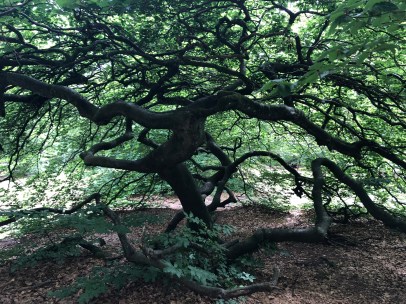
For a bit of a break from the bubbles, head to the Faux de Verzy forest just outside of the town of Verzy. A hike through the forest brings you to a smattering of old trees with gnarled trunks and limbs and a cascading dome of foliage. It’s a little Tolkein-esque as you wander through the mole-hill like trees, occasionally catching a glimpse into the twisted insides.
Arguably one of the best places to buy champagne – anywhere – is 520 Champagnes in Epernay. Though many of the big houses are on offer it is clearly the smaller producers and grower Champagnes which hold centre stage here. This is your best shot to hunt down that hard-to-find, limited release, grower Champagne. There is also a good selection of Coteaux Champenois, still wines from the Champagne region, and some great vintage depth on wines from elsewhere in France.
 Nikkiwhoop